
Honolulu, Hawaii
City Energy, Island Soul.
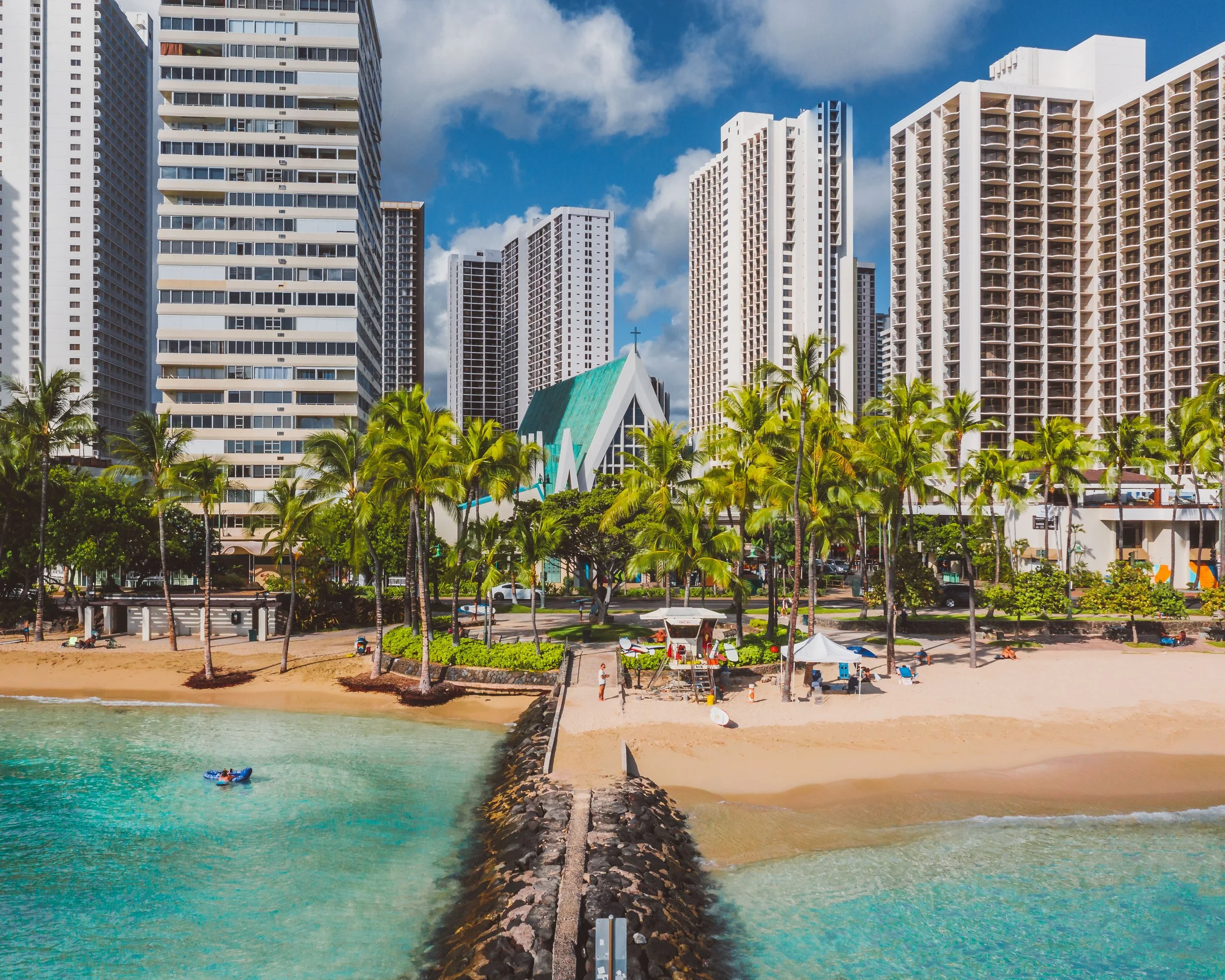
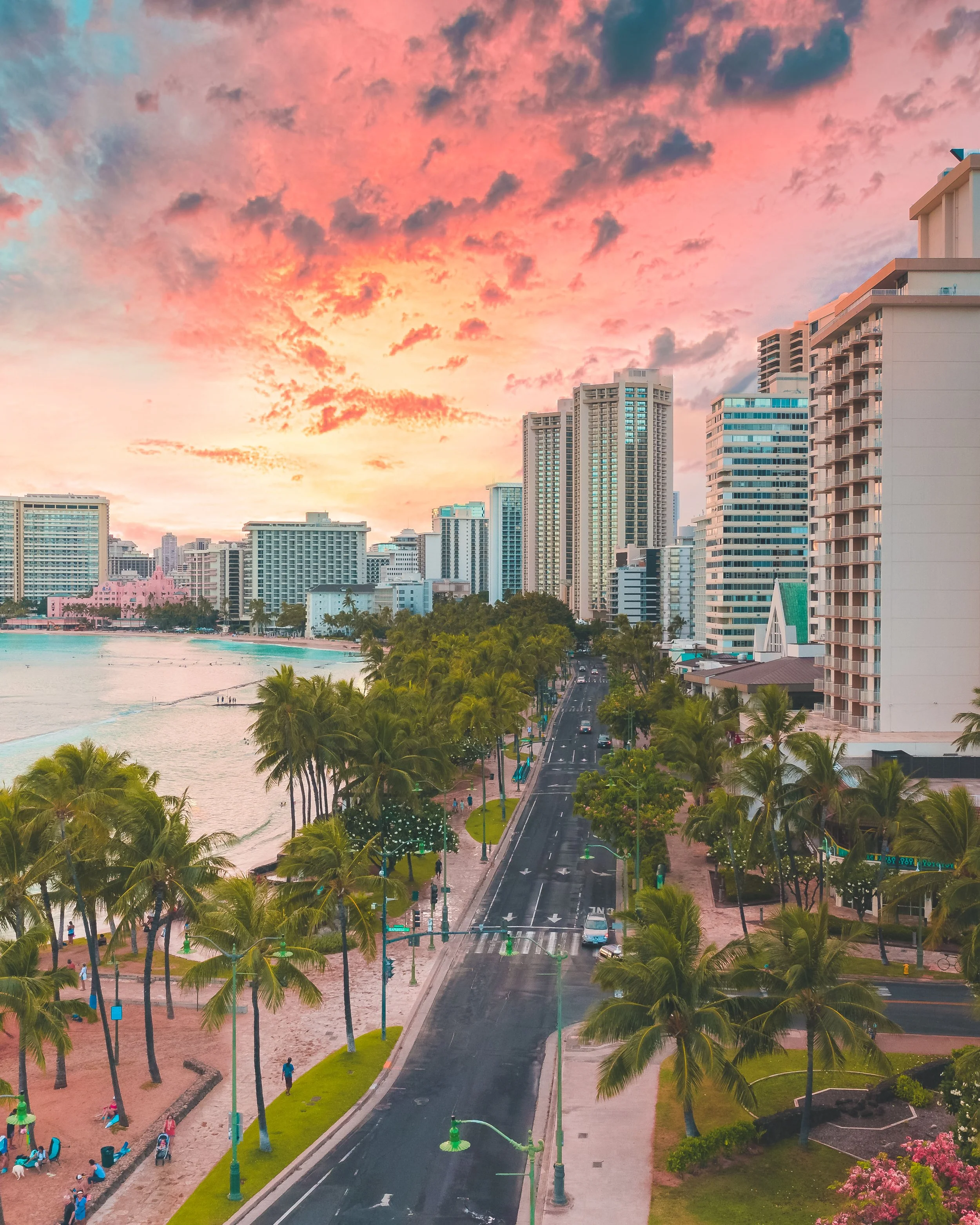
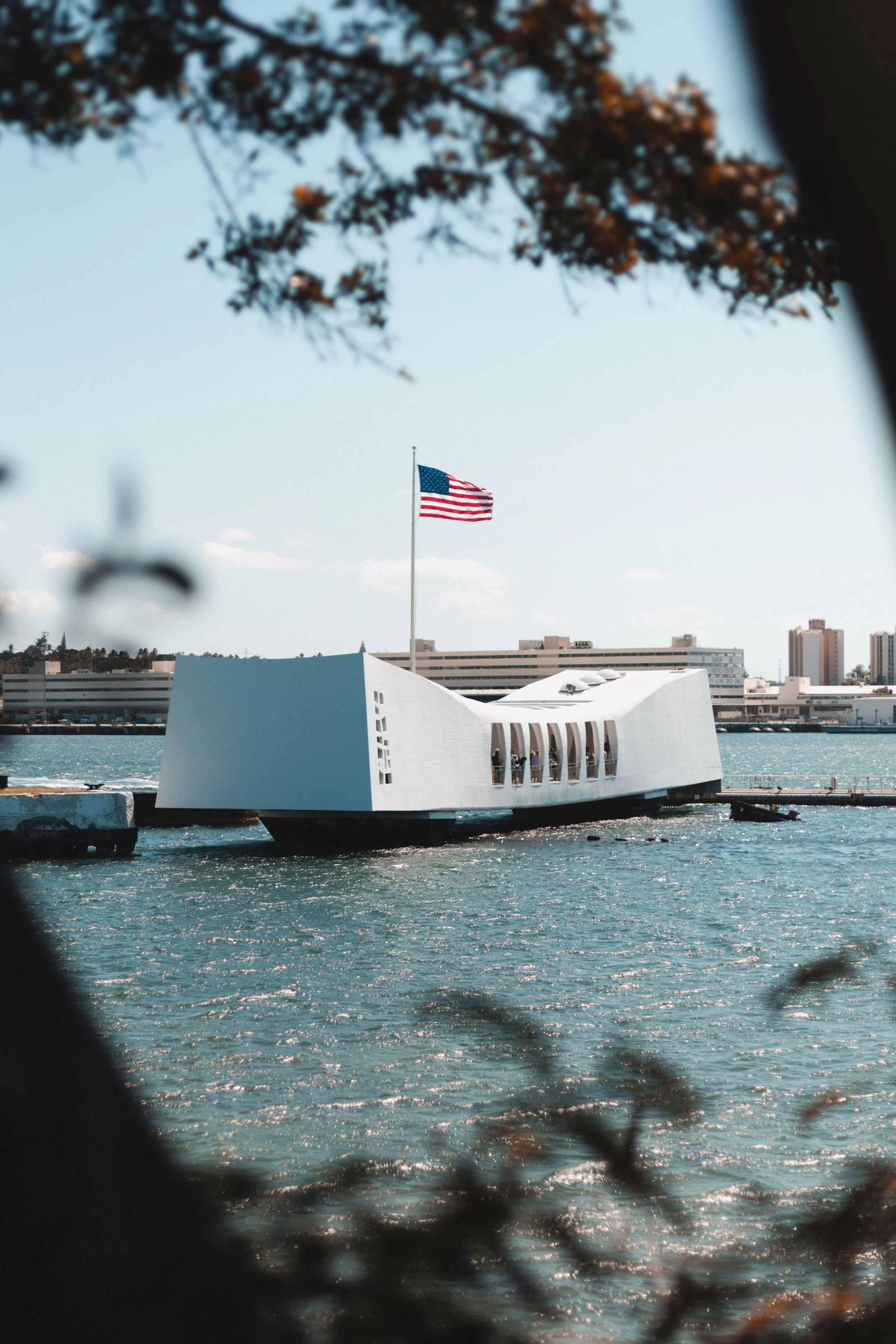
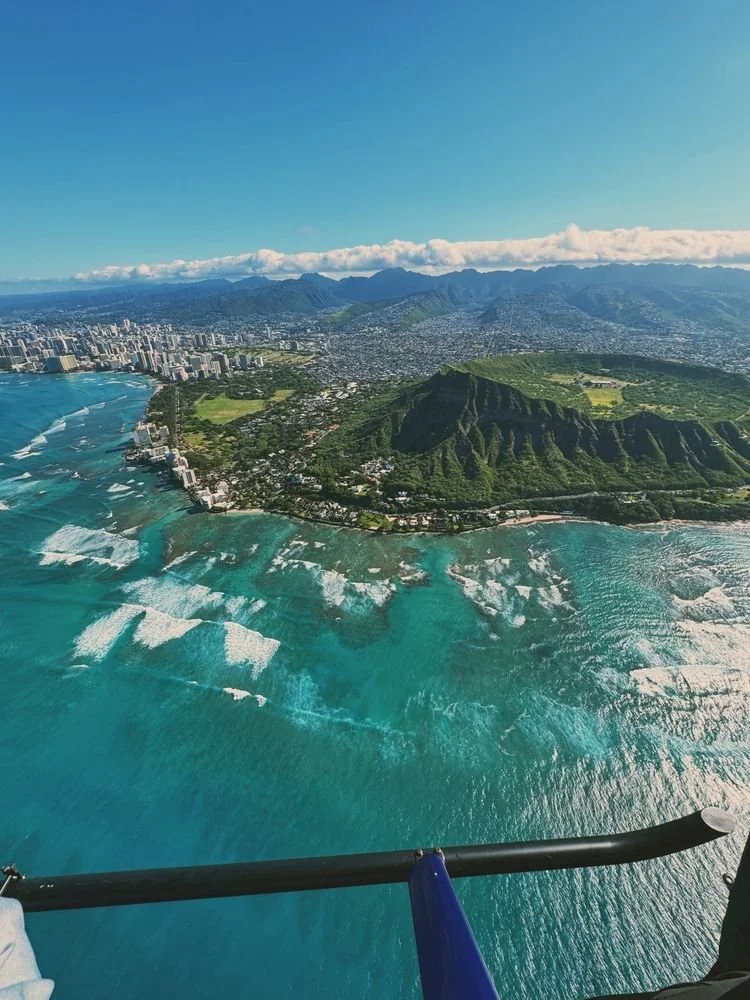
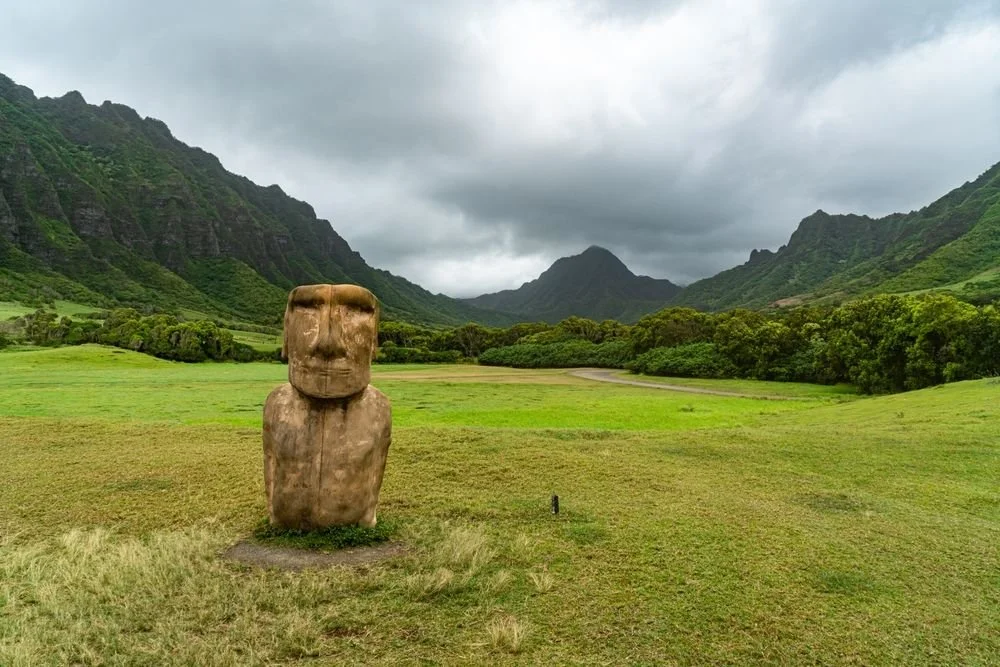
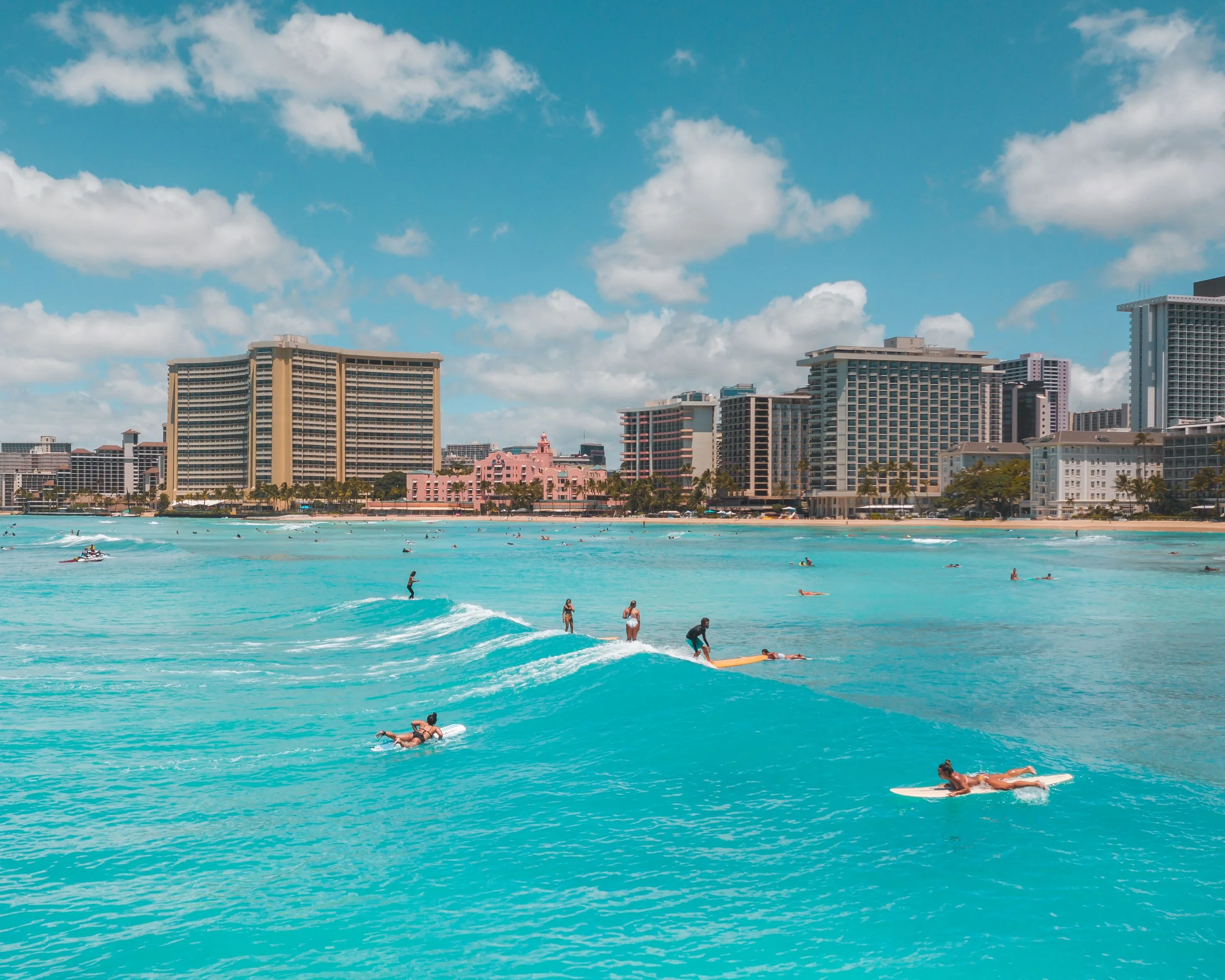
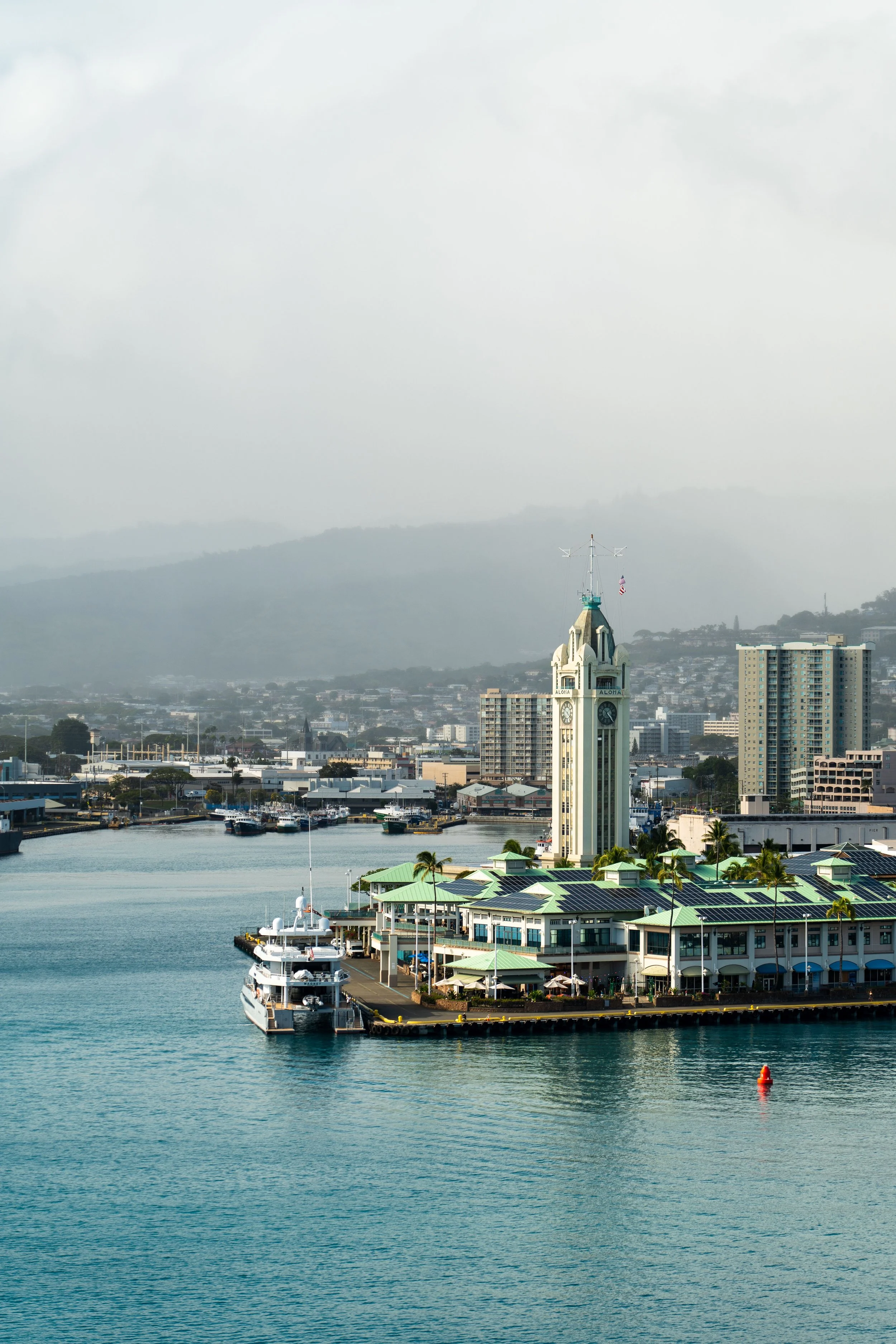
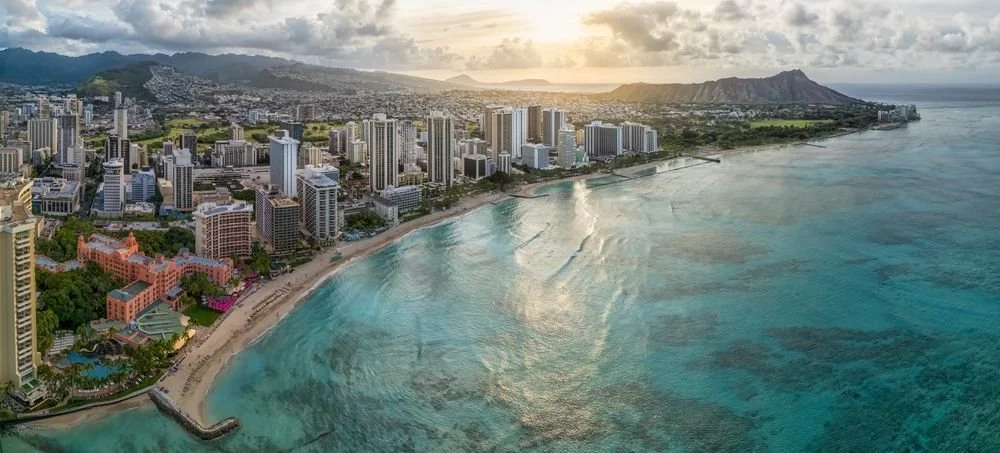
What Honolulu Does Best
Honolulu brings together the parts of Hawaii travelers come looking for with the energy, culture, food, and history of a real Pacific city.
Beaches & Ocean
Waikīkī, Ala Moana, warm Pacific water, sunsets, surf, and plenty of ways to build the ocean into almost every day.
Hawaiian Culture & History
ʻIolani Palace, Bishop Museum, Native Hawaiian culture, royal history, Pearl Harbor, and stories that go far beyond the resort districts.
Food & Local Flavors
Poke, plate lunch, malasadas, loco moco, Spam musubi, Hawaiian food, and a dining scene shaped by generations of cultures.
Scenic Hikes & Views
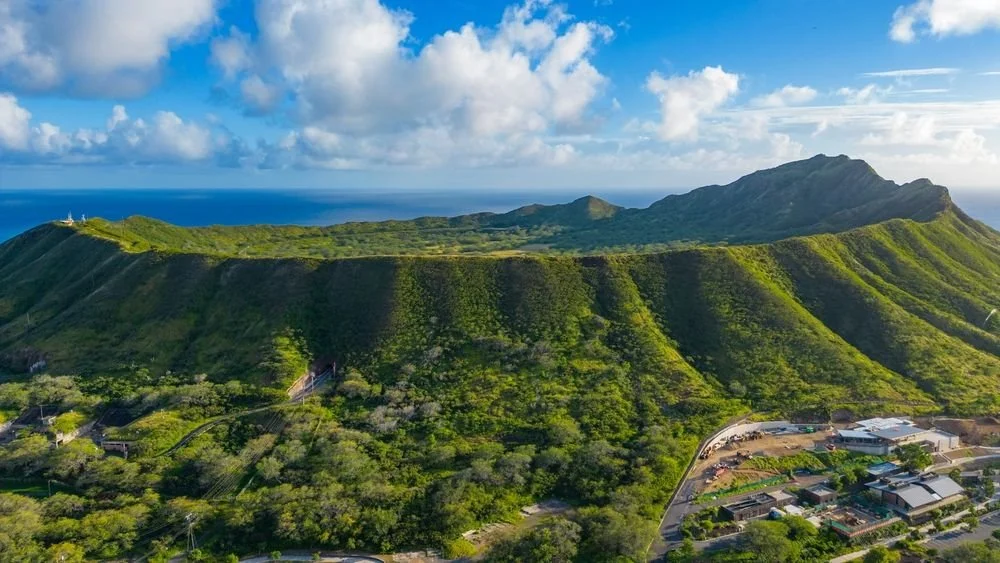
Diamond Head, Tantalus, coastal views, mountain backdrops, and overlooks that remind you the island is never far from the city.
City & Island Life
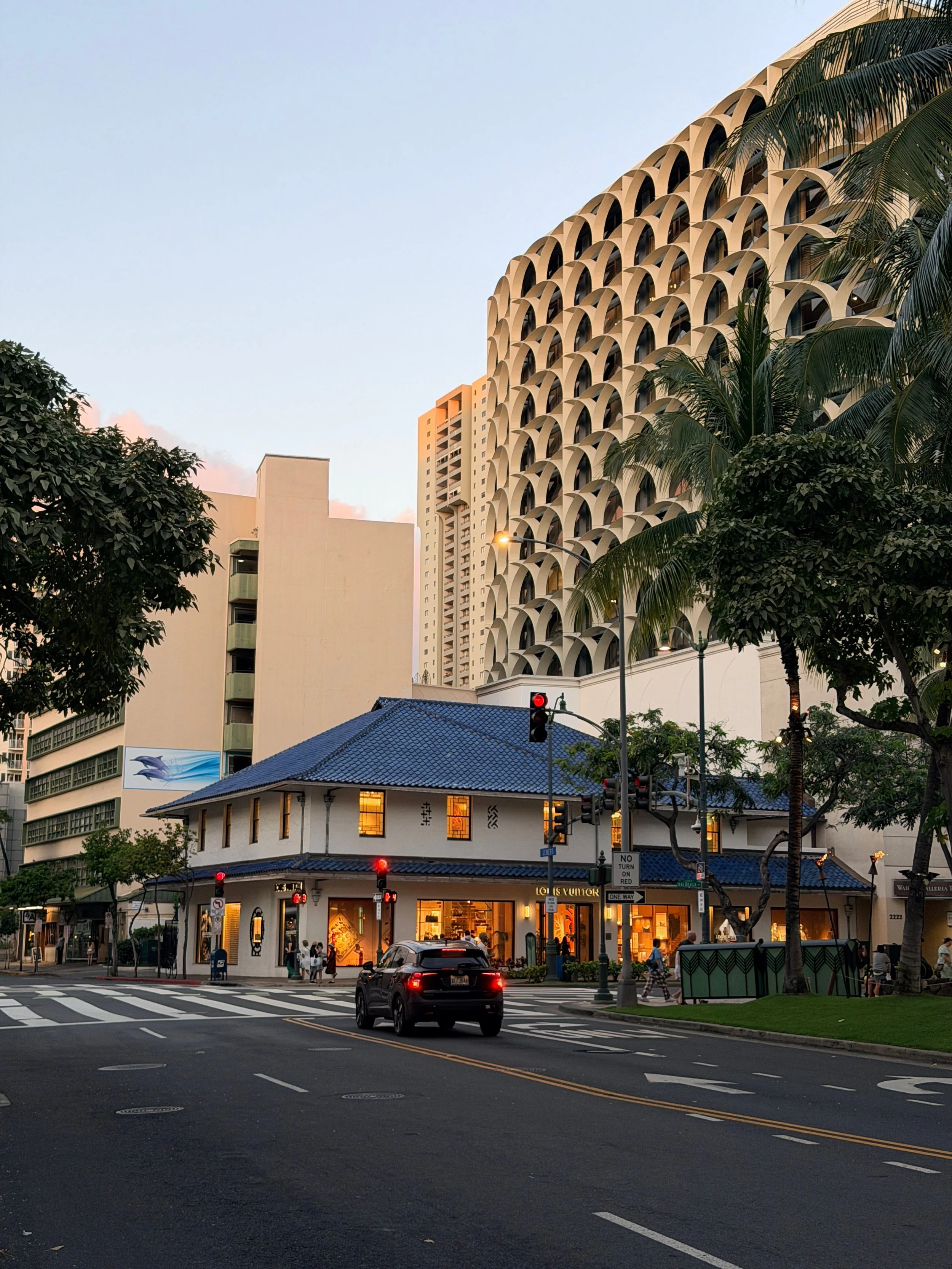
Beaches and palm trees sit alongside museums, neighborhoods, restaurants, shopping, nightlife, and the everyday rhythm of Hawaii’s largest city.
Gateway to Oʻahu
Use Honolulu as your home base, then head toward the North Shore, windward coast, Pearl Harbor, hiking trails, beaches, and communities around the island.
Why Honolulu Is More Than Waikīkī
There’s a good chance Honolulu is what comes to mind when you picture a trip to Hawaii. Waikīkī Beach, Diamond Head in the distance, palm trees, surfboards, and hotels lining the water.
That’s part of it.
But Honolulu gets a lot more interesting once you stop treating it like nothing more than a beach vacation.
This is a real city. It has traffic, neighborhoods, restaurants, museums, shopping centers, historic sites, local hangouts, office buildings, and everything else that comes with being Hawaii’s largest urban center. Then you walk a few blocks and suddenly you’re looking out across the Pacific.
That contrast is a big part of the appeal.
You can spend the morning on the beach, grab lunch somewhere tucked away from the main resort strip, visit a museum or historic site in the afternoon, then head back toward the water for sunset. You don’t have to choose between city life and island life here. Honolulu gives you both.
Waikīkī is usually where first-time visitors start, and there’s nothing wrong with that. It’s easy, walkable, packed with restaurants and hotels, and the beach is right there. But I wouldn’t let Waikīkī become your entire impression of Honolulu.
There’s much more happening beyond it.
Head toward Downtown Honolulu and you start getting a different sense of the city. You’ll find places tied to Hawaii’s monarchy, government, immigration history, and the growth of Honolulu as one of the Pacific’s most important cities.
Keep exploring and the neighborhoods change again.
Kakaʻako has become known for murals, restaurants, shops, and a more modern side of Honolulu. Chinatown brings another layer of history, food, markets, and culture. Areas farther from the resort district start to feel less like the Hawaii people imagine before they arrive and more like the place people actually live.
That’s something I think travelers should see.
Honolulu also carries a much deeper story than the modern skyline suggests.
Long before hotels and high-rises shaped the shoreline, this area was part of Native Hawaiian life and history. Honolulu later became the center of the Hawaiian Kingdom and eventually developed into the political, economic, and transportation hub it is today.
That history is still visible if you know where to look.
ʻIolani Palace stands in the middle of the city as a reminder that Hawaii was once an independent kingdom. Nearby sites help tell the stories of Hawaiian royalty, missionaries, immigration, military history, and the complicated changes that shaped modern Hawaii.
Then there’s the landscape itself.
Diamond Head rises above the eastern end of Waikīkī. The Koʻolau Range sits behind the city. Beaches run along the southern coast, while hiking trails, lookouts, and neighborhoods climb into the hills.
Even when Honolulu feels busy, the island is never very far away.
That’s also what makes the city such a useful starting point for exploring Oʻahu.
You can stay in Honolulu and still reach places around the island without completely changing hotels or rebuilding your trip. The North Shore, windward coast, Pearl Harbor, hiking areas, beaches, and smaller communities can all become part of a larger Oʻahu itinerary.
Or you can spend several days just getting to know Honolulu itself.
I wouldn’t rush it.
Give yourself time for Waikīkī, but also leave the resort district. Eat somewhere local. Learn some of Hawaii’s history. Spend time at the beach without scheduling anything afterward. Walk through a neighborhood you hadn’t planned on visiting. Watch the city slow down as the sun starts dropping over the water.
Honolulu can absolutely be the place where you start a Hawaii trip.
It can also be one of the reasons you remember it.
Historical Background
Honolulu’s history goes much deeper than the hotels and high-rises that define its skyline today.
Long before Honolulu became a modern city, Oʻahu was home to Native Hawaiian communities with their own political systems, traditions, agriculture, fishing practices, and connections to the land and ocean.
Honolulu eventually became closely tied to the Hawaiian monarchy. As the Hawaiian Kingdom grew and international trade expanded across the Pacific, the city developed into an increasingly important political and commercial center.
By the 19th century, Honolulu had become the capital of the Hawaiian Kingdom.
That royal history is still visible today.
ʻIolani Palace stands in Downtown Honolulu as one of the clearest reminders of Hawaii’s time as an independent kingdom. Nearby historic sites tell more of the story of Hawaiian royalty, government, religion, immigration, and the major political changes that eventually reshaped the islands.
Honolulu’s position in the middle of the Pacific also made the area increasingly important to the United States.
Pearl Harbor became a major naval base, and the attack on December 7, 1941 brought Hawaii directly into one of the defining moments of World War II. Today, Pearl Harbor remains both an active military area and one of the most visited historic destinations on Oʻahu.
The city continued changing after the war.
Tourism expanded, Waikīkī developed into an internationally recognized resort district, and Honolulu grew into the economic, political, and transportation center of modern Hawaii.
But the older Honolulu never completely disappeared.
You can still find pieces of Hawaiian royal history, immigration stories, military history, historic neighborhoods, cultural traditions, and modern island life sitting surprisingly close together.
That mixture is part of what makes the city worth exploring beyond the beach.
Weather & Best Time to Visit
Honolulu doesn’t really have a bad season in the way many destinations do.
The weather stays warm throughout the year, which means your decision usually comes down to crowds, prices, ocean conditions, and what you want to do while you’re on Oʻahu.
Spring can be a great time to visit. From roughly April through June, you still get warm beach weather, but you may find a slightly calmer atmosphere than during the busiest vacation periods.
Fall can offer a similar balance. September through November can work especially well for travelers who want warm temperatures without planning their entire trip around peak summer travel.
Summer is hotter and usually drier, with daytime temperatures commonly reaching into the 80s. It’s great beach weather, but expect stronger sun and plenty of other travelers enjoying it with you.
Winter stays warm by mainland standards, though Honolulu can see more rain during this part of the year. It’s also an important season for travelers interested in humpback whale watching around Hawaii.
There’s another seasonal difference worth remembering.
The ocean doesn’t behave the same way everywhere on Oʻahu. Conditions on one side of the island can be completely different from another, especially during winter when surf becomes much larger along parts of the North Shore.
For most travelers, there isn’t one single best month.
Choose the season that fits the Hawaii trip you actually want.
Warm Weather & a Slower Pace
Good seasons for beaches, outdoor activities, exploring the city, and travelers who want to avoid some of the busiest vacation periods.
Two Different Hawaii Experiences
Summer brings long beach days and stronger sun, while winter stays warm but can bring more rain and larger surf around parts of Oʻahu.
Insider Tips
Don’t Automatically Rent a Car
If you’re staying around Waikīkī, you may be able to walk, use TheBus, grab a rideshare, or rent a bike for most of your city plans.
Take the Sun Seriously
Hawaii’s tropical sun can catch up with you quickly. Sunscreen, water, sunglasses, and a little shade during the hottest parts of the day can make a big difference.
Start Popular Days Early
Beaches, hikes, and attractions can get busier as the day goes on. An earlier start can mean cooler temperatures and a much more comfortable experience.
Local Customs & Etiquette
Honolulu may be a major tourist destination, but it’s also home to hundreds of thousands of people.
That’s worth remembering while you’re visiting.
The usual U.S. tipping customs apply at restaurants, bars, hotels, taxis, rideshares, and guided experiences. Around 15 to 20 percent is common for restaurant service, with additional tipping depending on the service you receive.
Respect for the land and ocean matters just as much.
Don’t touch or stand on coral. Keep your distance from wildlife. Pick up what you bring to the beach, follow posted trail rules, and don’t enter places marked as private or culturally sensitive simply because they make a good photo.
You’ll also hear the idea of the aloha spirit while you’re here.
Aloha can mean much more than hello or goodbye. It can carry ideas of affection, compassion, respect, and connection. As a visitor, you don’t need to force Hawaiian words into every conversation. Being patient, respectful, and considerate goes a lot further.
If you’re invited into someone’s home, removing your shoes before entering is common.
And if someone gives you a lei, accept it with appreciation. It isn’t simply a tourist accessory. Lei can carry meaning tied to welcome, affection, celebration, and respect.
Words You Might Hear
Aloha
Often used for hello and goodbye, though the word carries much broader ideas of love, compassion, respect, and connection.
Mahalo
A Hawaiian word commonly used to say thank you.
ʻOhana
Means family and can also carry a broader sense of connection and community.
Pau
Means finished or done. You may hear it when something is over or there is none left.
Honu
The Hawaiian word commonly used for the green sea turtle.
Safety Tips
Honolulu is a major city and a major tourist destination, so basic travel awareness still matters.
Keep track of your belongings, especially at beaches, crowded attractions, restaurants, and busy areas of Waikīkī. Don’t leave valuables sitting visibly inside a rental car, particularly when you’re stopping at beaches or trailheads.
The ocean deserves even more attention.
A beautiful beach isn’t automatically a safe swimming beach. Waves, currents, shore breaks, and conditions can change quickly. Pay attention to posted warnings, listen to lifeguards, and don’t assume calm-looking water means there’s no current underneath it.
If you’re unsure about the conditions, ask a lifeguard before going in.
Heat and sun exposure can also sneak up on you. Carry water, use sun protection, and give yourself breaks when hiking or spending long stretches outside.
For emergencies, dial 911.
Honolulu also has major medical facilities, including The Queen’s Medical Center, but travelers should still bring enough prescription medication and essential medical supplies for the entire trip.
And if there’s a weather, ocean, wildfire, or other emergency advisory during your stay, take local warnings seriously.
Hawaii may feel like paradise when you arrive.
It’s still a real place with real weather, a powerful ocean, and natural conditions that deserve respect.
Getting There
Honolulu is one of the easier destinations to reach in Hawaii, and once you arrive, you have quite a few ways to get around without making the trip complicated.
Most travelers will fly into Daniel K. Inouye International Airport, or HNL. The airport sits only a few miles from Downtown Honolulu and handles both domestic and international flights, along with connections to Hawaii’s neighboring islands.
For most visitors, this is where the trip really starts.
Flying Into Honolulu
Once you land at HNL, you have several options for getting into Honolulu and Waikīkī.
TheBus connects the airport with different parts of the city and can be a good choice if you’re traveling light and want to keep transportation costs down.
Taxis and rideshare services such as Uber and Lyft are another easy option, especially if you’re carrying luggage or just want to get directly to your hotel.
Airport shuttle services also operate between the airport, Waikīkī, and other popular areas. These can work well if you prefer having transportation arranged before you arrive.
Then there’s the rental car.
If you’re planning to explore a lot of Oʻahu, having a car can make the trip much easier. But if most of your time will be spent in Waikīkī, Downtown Honolulu, or nearby areas, you may not need one every day.
That’s worth thinking about before automatically booking a car for your entire stay.
Parking around Waikīkī can be limited and expensive, and traffic can get busy. Sometimes the easier option is to explore Honolulu without a car, then rent one for the days you want to head farther around the island.
Skyline Rail
Honolulu’s rail system, known as Skyline, adds another transportation option on Oʻahu.
The system was developed to connect communities in West Oʻahu with areas closer to Honolulu, with additional sections planned as the system expands.
For visitors, the biggest thing to remember is that Skyline isn’t a replacement for every other form of transportation around Honolulu.
Depending on where you’re staying and where you’re going, you may still need to combine rail with TheBus, a rideshare, or walking.
As the system continues to develop, it may become increasingly useful for travelers moving between the airport area, West Oʻahu, and other parts of the island.
For now, think of it as another piece of Honolulu’s transportation network rather than the one system that takes you everywhere.
Getting Around With TheBus
TheBus is one of the most useful transportation options in Honolulu.
Its routes connect Waikīkī, Downtown Honolulu, shopping areas, neighborhoods, and many visitor attractions around Oʻahu.
That makes it especially useful for travelers who don’t want to deal with driving and parking every day.
If you’re staying in Waikīkī, you can use the bus for places that are a little too far to walk while still keeping the trip relatively simple and affordable.
It can also be useful for exploring farther around the island, although travel times may be longer than driving yourself.
If you plan on using public transportation regularly, check the current fare and payment options before your trip so you know what to expect when you arrive.
Exploring by Bike
Honolulu can also be fun to explore by bike.
Biki, the city’s bike-share system, gives travelers another way to move between parts of Waikīkī and Honolulu without needing a rental car.
For shorter trips, biking can be much more enjoyable than sitting in traffic.
It works especially well when you’re moving between nearby beaches, restaurants, shopping areas, parks, or attractions and don’t want to wait for a bus or rideshare.
Just keep in mind that Honolulu traffic can be busy. Use bike lanes and designated routes where available, stay aware of vehicles, and don’t treat every street like a relaxed beach path.
Trolley Tours
Trolley services are another option, especially if sightseeing is the main goal.
These tours connect popular visitor areas with attractions, shopping districts, and landmarks around Honolulu.
They can be particularly useful for first-time visitors because transportation and sightseeing are combined into one experience.
Instead of worrying about parking or figuring out every route yourself, you can use the trolley to get a general feel for the city while moving between major stops.
Just remember that these are primarily visitor services, so they may not be the fastest way to get somewhere if transportation is your only goal.
Walking Around Honolulu
Some of Honolulu is best explored on foot.
Waikīkī is especially walkable. Hotels, beaches, restaurants, shopping centers, and attractions are packed fairly close together, which makes it easy to spend an entire day without getting into a car.
Downtown Honolulu also has clusters of historic sites that can be explored on foot once you’re in the area.
Walking gives you something driving doesn’t.
You notice the small things.
A restaurant you didn’t plan on trying. A mural tucked between buildings. A beach access path you might have driven right past. A shop that wasn’t on your itinerary.
Honolulu is still a city, so distances can become much larger once you leave the main visitor areas.
But around Waikīkī and parts of Downtown Honolulu, your own two feet may be one of the easiest ways to get around.
Things to Do
Honolulu is one of those cities where you can build completely different days without ever feeling like you left the destination.
One morning might start with a hike above Waikīkī. Another could be spent learning about the Hawaiian Kingdom, walking through Chinatown, or standing somewhere tied to one of the most significant moments in American history.
Then there’s the ocean.
Beaches, parks, surf, sunsets, and views of Diamond Head are part of everyday Honolulu. They aren’t something you have to drive hours to find.
That variety is what makes the city work.
You can come here for Hawaii and still have a real city to explore.
Start With Honolulu
ʻIolani Palace
One of the most important places to visit if you want to understand Hawaii beyond the resort districts. The palace was home to Hawaii’s final reigning monarchs and remains one of the clearest connections to the Hawaiian Kingdom.
Pearl Harbor
A place for reflection and learning centered on the events of December 7, 1941. The area includes memorials, exhibits, films, museums, and historic vessels.
Diamond Head State Monument
One of Honolulu’s most recognizable landmarks, with a hike leading to panoramic views over Waikīkī, Honolulu, and the Pacific.
Bishop Museum
A deeper look at Hawaiian and Pacific history, culture, natural science, navigation, and the people who shaped the islands.
Chinatown
Markets, historic buildings, restaurants, art, nightlife, and small businesses come together in one of Honolulu’s most distinctive neighborhoods.
Hawaii State Capitol
An unusual open-air government building inspired by Hawaii’s natural landscape and easy to combine with nearby Downtown Honolulu historic sites.
Aloha Tower
A longtime Honolulu Harbor landmark that reflects the era when arriving in Hawaii by ship was a major part of the travel experience.
Tantalus Lookout
A drive into the hills above Honolulu with views toward Downtown, Waikīkī, Diamond Head, and the coastline.
Waikīkī Is Still Worth Your Time
It’s easy to dismiss Waikīkī as touristy.
It is touristy.
That doesn’t mean you should skip it.
The beach is iconic for a reason, Diamond Head sits at the end of the shoreline, and the neighborhood is one of the easiest places in Honolulu to walk between hotels, restaurants, shopping, nightlife, and the ocean.
The trick is not making Waikīkī your entire Hawaii experience.
Spend time there. Enjoy it.
Then leave it.
Explore Kakaʻako
Kakaʻako gives you a more contemporary side of Honolulu.
The neighborhood has become known for murals, restaurants, coffee shops, local businesses, events, and newer development around Ward Village and SALT at Our Kakaʻako.
It’s a good area to work into the trip when you want food, shopping, and something that feels a little more modern than Downtown Honolulu or Waikīkī.
You also don’t need a strict itinerary here.
Sometimes the point is just walking around and seeing what you find.
Ala Moana Regional Park
Ala Moana is one of the easiest places to slow the trip down.
The park sits between Waikīkī and Downtown Honolulu and has beaches, lawns, walking paths, picnic areas, and wide views toward the city and ocean.
It feels noticeably different from Waikīkī Beach.
If Waikīkī is busy, energetic, and surrounded by hotels, Ala Moana can feel much more like somewhere people actually come to spend an afternoon.
Exploring Honolulu With Kids
Honolulu Zoo
Located beside Kapiʻolani Park near Waikīkī, the zoo is easy to combine with beach time and gives families a break from longer sightseeing days.
Waikīkī Aquarium
A compact aquarium near Waikīkī Beach focused on marine life and ecosystems found around Hawaii and the Pacific.
Children’s Discovery Center
An interactive indoor option designed for younger travelers, with hands-on exhibits built around exploration, creativity, and play.
Bishop Museum
Hawaiian history, Pacific cultures, natural science, and interactive exhibits come together in a way that can work well for both kids and adults.
Kapiʻolani Park
Kapiʻolani Park is one of those places that doesn’t need an elaborate plan.
It sits at the edge of Waikīkī beneath Diamond Head and includes large lawns, recreation areas, the Honolulu Zoo, and plenty of room to slow down.
It’s useful for families, runners, picnics, or simply getting away from the tighter streets and crowds around central Waikīkī.
Sometimes a good park is exactly what a trip needs.
What to Eat in Honolulu
Honolulu is one of the best places in Hawaii to eat because the food tells you a lot about the islands.
Native Hawaiian traditions sit alongside Japanese, Chinese, Filipino, Portuguese, Korean, Vietnamese, Polynesian, and American influences.
That history shows up everywhere from convenience-store snacks to fine dining.
So don’t spend the entire trip eating at familiar mainland chains.
Poke
Traditionally centered around seasoned pieces of raw fish, with ahi being especially common. You’ll find everything from simple local preparations to elaborate poke bowls.
Kālua Pig
Traditionally cooked in an imu, this tender, smoky pork is closely tied to Hawaiian cooking traditions.
Loco Moco
Rice topped with a hamburger patty, brown gravy, and a fried egg. Simple, filling, and unmistakably local comfort food.
Plate Lunch
Usually built around rice, macaroni salad, and a protein such as teriyaki beef, chicken katsu, kālua pork, or kalbi.
Spam Musubi
A slice of Spam over rice wrapped with nori. Cheap, portable, and deeply connected to Hawaii’s local food culture.
Malasadas
Portuguese-style fried dough coated in sugar and sometimes filled with custard or other flavors. Eat them warm.
Shave Ice
Finely shaved ice that absorbs flavored syrups, often finished with toppings such as condensed milk, mochi, or ice cream.
Poi
Made from taro and deeply connected to Native Hawaiian food traditions. Try it as part of a Hawaiian meal rather than expecting a sweet dessert.
Haupia
A coconut-based Hawaiian dessert that is lightly sweet and often served in soft squares or incorporated into other desserts.
A Few Places to Start
Honolulu’s restaurant scene is huge. These aren’t meant to cover everything. They give you a few different directions depending on what kind of meal you’re looking for.
Fête
A Downtown Honolulu option built around local ingredients and a contemporary approach to island dining.
The Pig and The Lady
Vietnamese and Southeast Asian influences presented in a lively Chinatown setting with bold flavors and a modern approach.
Moku Kitchen
A casual contemporary option around Kakaʻako with local ingredients, pizzas, shared plates, craft drinks, and an easy atmosphere.
House Without A Key
An oceanfront Waikīkī experience known for Hawaiian music, sunset views, and a setting that feels unmistakably Hawaii.
Senia
A more refined Honolulu dining experience for travelers looking for creative cooking and a meal built around the occasion.
Bar Maze
A modern tasting-menu and cocktail experience that pairs food with carefully designed drinks in a smaller, more intimate setting.
Honolulu Nightlife
Honolulu nightlife changes depending on where you spend the evening.
Waikīkī has hotel bars, beachfront drinks, live Hawaiian music, lounges, and places designed around visitors.
Chinatown gives you something different.
That’s where you’re more likely to find smaller bars, live music, DJs, nightlife venues, and a crowd that isn’t entirely made up of people staying at resorts.
There are also longtime local bars scattered through the city, along with LGBTQ+ nightlife, karaoke, cocktail bars, and breweries.
From Local Finds to Luxury
Honolulu can go from souvenir stand to luxury boutique in about five minutes.
That’s part of the fun.
Ala Moana Center
One of Honolulu’s biggest shopping destinations, combining international brands, local businesses, restaurants, and entertainment in an open-air setting.
Royal Hawaiian Center
Luxury shopping, restaurants, and Hawaiian cultural programming right in the center of Waikīkī.
International Market Place
An open-air shopping and dining complex built around a large banyan tree in the heart of Waikīkī.
Waikīkī Beach Walk
An easy mix of shops, restaurants, entertainment, and evening activity close to Waikīkī Beach.
South Shore Market
A smaller boutique-focused destination featuring local brands, designers, food, and products in the Ward Village area.
Ward Village
A modern shopping, dining, and lifestyle district that works naturally with a day exploring Kakaʻako.